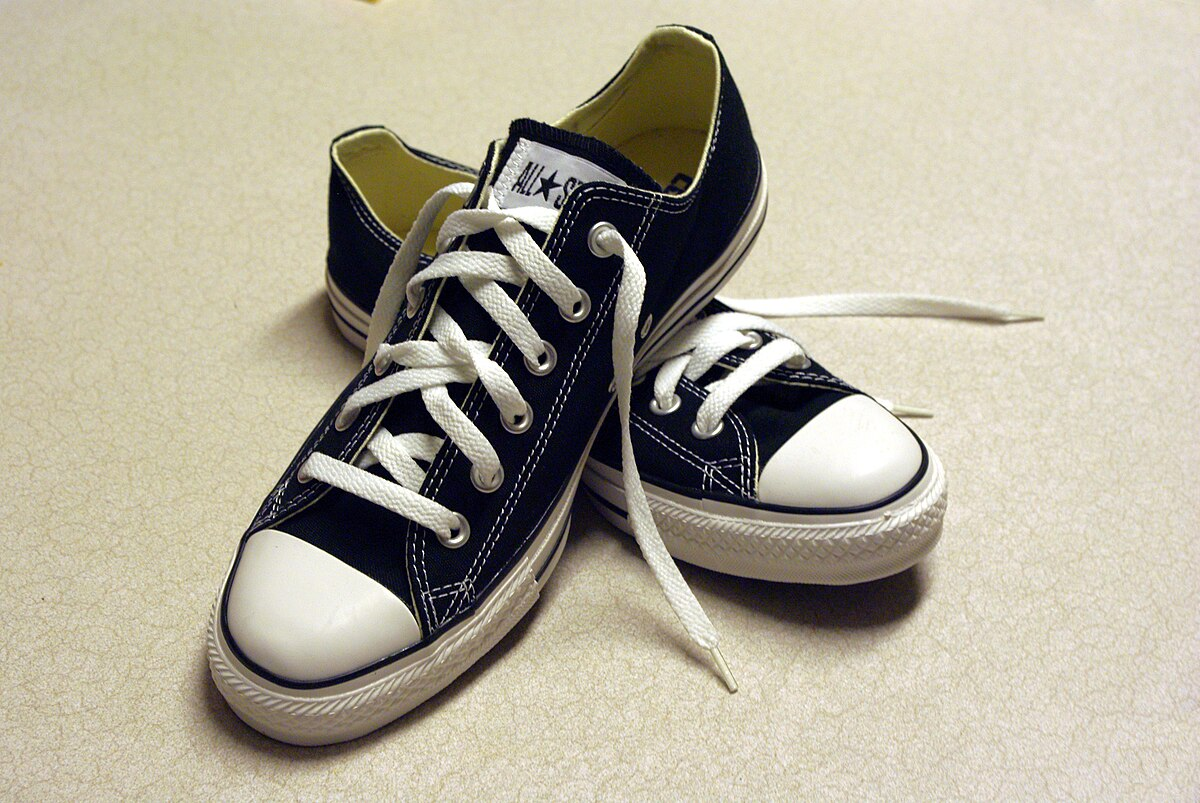
In this ever-growing retro trend, Converse All Star and Reebok Club C have once again become “must-mention names” in street style and everyday wear.
On one side is the canvas symbol that originated on the basketball court and later swept the globe; on the other side is the sporty retro representative that originated on the tennis court and regained favor with leather and simple lines .
Both shoes seem to evoke the concept of “classic,” but their stories and essences are completely different. Today, we’ll examine the true differences between these two shoes from four perspectives: retro versus performance, materials versus comfort, street culture versus athletic roots, and future trends versus practicality in everyday wear .
I. Retro vs. Performance: The Different Logics Behind Classic Designs
In terms of design, the Converse All Star is almost synonymous with “retro”.
Starting as a basketball shoe in the early 20th century, its design has remained almost unchanged for a century: canvas upper, rubber toe, side ventilation holes – minimalist to the extreme, which is why it has become a timeless symbol of street culture.
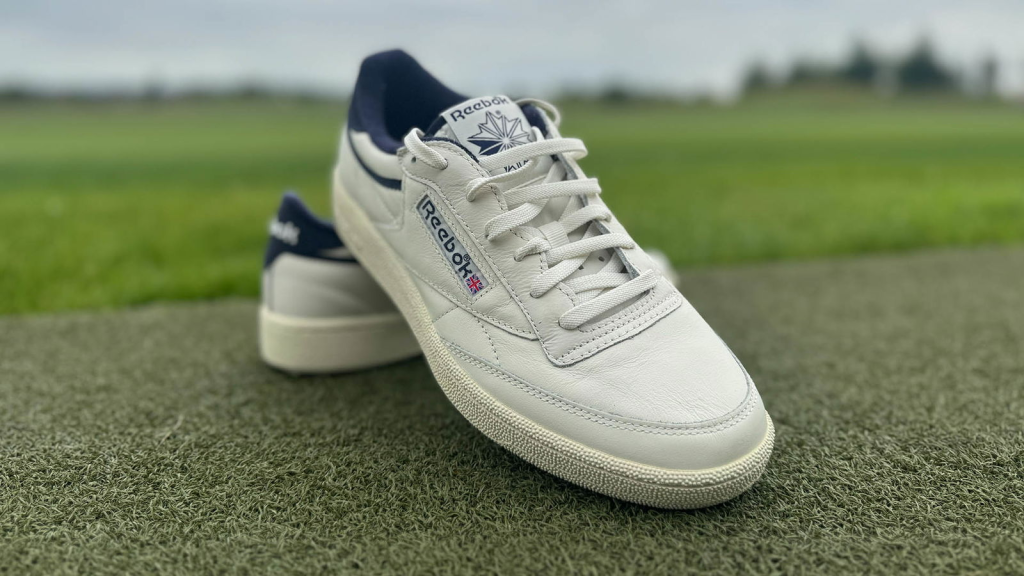
The Reebok Club C (especially the Club C 85 ) carries a different gene. It also carries the “classic” label, but it embodies more of the structural logic of athletic shoes: a stable shoe shape, durable leather, and a more comfortable feel. Compared to the All Star’s “stylish appeal,” the Club C’s retro style is more about an understated, functional elegance.
If you prefer a “nostalgic feel + street style”, then All Star will definitely appeal to you more; but if you want to find something “wearable” within the “classic” style, then Club C ‘s performance will be more reassuring.
II. Materials and Wearing Experience: Canvas vs. Leather
A closer look at the materials used in the two shoes reveals significant differences.
The Converse All Star uses a lightweight canvas upper with a rubber outsole, offering ventilation and lightness, but with only average support. After walking for a while, you might find your feet feel a bit “hard.” Many reviews also point out that its cushioning and energy return performance are relatively weak.
In contrast, the Reebok Club C’s leather upper gives it a superior edge in support, fit, and comfort. RunRepeat calls it “one of the best retro tennis shoes for everyday wear” because it combines a clean look with practical comfort.
Simply put, if you prefer lightweight shoes with a retro look, the All Star is a good choice; but if you value support, comfort, and durability more, the Club C’s leather construction is a more practical option.
III. Street Culture and the Foundations of Sports: Attitude vs. Practicality
From a brand culture perspective, Converse All Star represents “attitude.” It has evolved from basketball shoes to music festivals, skate parks, street style events, and even become a symbol of punk culture. Those who wear it often don’t just seek comfort, but rather use the shoes to express a declaration of “who I am.”
While the Reebok Club C also boasts a retro style, it has a more solid sporting background. Originating from tennis, it demands stability and durability in its design. The popularity of the Club C is more like a fusion of sporting spirit and everyday life—you can wear it to the gym or a coffee shop.
So if you value “street expression” and “cultural feel”, choose All Star ;
but if you prefer “wearability” and “versatility”, Club C is definitely a safe choice.
IV. Styling and Practicality: How to Choose the Right Pair
Both pairs of shoes are very versatile, but they each have their own style focus.
All Star: Perfect for streetwear or retro looks, including jeans, cargo pants, and shorts. The black and white color scheme is versatile and classic, easily creating a “casual” or “old-school American” vibe.
Club C: A more minimalist and clean style. It blends easily with everything from khaki pants and casual suit pants to semi-formal outfits.
In terms of comfort, Club C is significantly more comfortable for prolonged standing or walking, while All Star is more suitable for light clothing or short outings.
In terms of sizing, the All Star has a slightly wider fit and a soft canvas upper, but limited support; the Club C is more standard in size, provides better foot support, and is especially friendly to users with wide feet.
V. Cultural Extension and Future Trends: Retro is More Than Just Nostalgia
Today’s “retro revival” is no longer just about nostalgia. More brands are starting to combine retro styles with modern comfort and sustainable materials.
Reebok Club C has mastered the balance of “retro + modern” through multiple collaborations and minimalist retro versions. Converse All Star has also released versions such as the Chuck Taylor All Star II , improving the wearing experience by refining the insole and materials.
It’s foreseeable that “classic low-top shoes” will remain the mainstream in the sneaker world in the future. The only difference is: who can uphold the retro style while incorporating a more user-friendly and comfortable experience and modern environmental protection concepts?
In conclusion: Your style determines your shoes.
Let’s briefly review:
Converse All Star : Canvas construction, street style, and a strong retro vibe.
Reebok Club C : Leather material, sporty foundation, and strong everyday comfort.
If you want a pair of shoes that can “tell a story,” choose All Star ;
if you care more about the “all-weather comfort” under your feet, Club C is the answer.
Each pair perfectly embodies that timeless concept: true classics are proven not by hype, but by time.
Brand note: This article is independent editorial commentary. It is not affiliated with, authorized by, sponsored by, or endorsed by Converse, New Balance, Vans, Under Armour, Reebok, Isabel Marant, Naruto, Nike, or any other mentioned brand or rights holder. Product fit, comfort, durability, and style impressions are subjective and should be verified with current product information.